In the ever-evolving realm of education, where details moves generously and access to expertise is only a click away, student-driven encyclopedias are emerging as a dynamic device in the learning procedure.
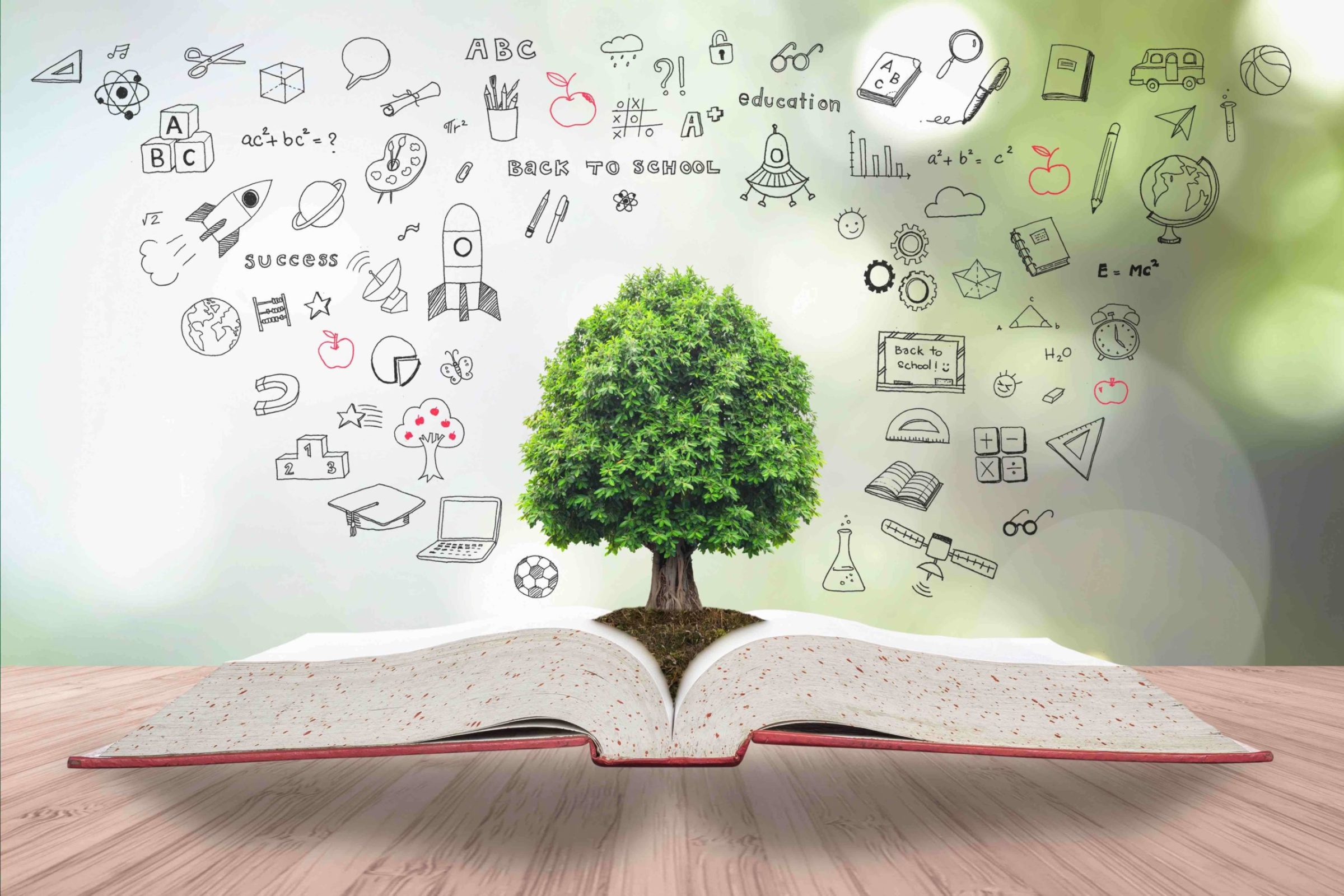
These platforms not just give students with a database of details however likewise urge them to add, edit, and curate web content, fostering a collective and interactive knowing environment.
As instructional paradigms change in the direction of more participatory and comprehensive versions, the idea of student-driven encyclopedias symbolizes this makeover. These systems empower trainees to come to be energetic participants in expertise creation, bridging the space in between conventional book understanding and modern-day electronic sources.
The Concept of Student-Driven Encyclopedias
Student-driven encyclopedias are electronic systems where students collectively gather, validate, and distribute information on a wide variety of subjects. Unlike standard encyclopedias, which are usually composed by specialists, these systems leverage the collaborative efforts of pupils to create a thorough body of expertise.
At their core, student-driven encyclopedias are designed to grow important thinking, research study skills, and digital literacy among trainees. By participating in the procedure of web content development, students discover to navigate and assess information critically, skills that are necessary in today’s information-rich culture.
Furthermore, these systems serve as an area for trainees to discover their passions and share their proficiency. This democratic strategy to knowledge production ensures that a diverse variety of viewpoints and voices are represented, enhancing the discovering experience for all participants.
- Trainees obtain hands-on experience in research and web content production.
- Encourages partnership and peer communication.
- Advertises a much deeper understanding of subject.
- Fosters inclusivity and variety in understanding representation.
Basically, student-driven encyclopedias change students from passive receivers of details into active factors, instilling a feeling of possession and obligation in their instructional journey.
Advantages of Student-Driven Encyclopedias
One of the principal benefits of student-driven encyclopedias is the development of important 21st-century skills. As students take part in the process of web content development, they hone their critical reasoning, electronic literacy, and communication abilities, every one of which are vital in today’s interconnected globe.
Furthermore, these systems encourage a joint learning environment, where trainees can collaborate to validate information, argument different point of views, and co-edit articles. This peer-to-peer interaction not only improves learning outcomes however additionally cultivates a feeling of community and shared respect amongst pupils.
Additionally, student-driven encyclopedias provide a system for showcasing pupil job. As students add to the encyclopedia, they construct a portfolio of their research study and writing, which can be important for more scholastic and professional pursuits.
Difficulties and Limitations

Regardless of the various advantages, student-driven encyclopedias also encounter certain difficulties. Making certain the accuracy and integrity of details is extremely important, as these systems rely on payments from trainees who might not yet have expert-level knowledge.
- Maintaining material top quality study support platform and accuracy.
- Supplying ample supervision and advice.
- Guaranteeing fair gain access to and inclusivity.
To alleviate these challenges, many student-driven encyclopedias apply a system of checks and equilibriums, where content is assessed by instructors or professionals prior to publication. This guarantees that the information presented is both exact and credible, supporting the stability of the platform.
The Future of Student-Driven Encyclopedias
As technology remains to breakthrough and the landscape of education advances, the potential for student-driven encyclopedias is substantial. These systems have the capability to not just complement standard academic resources however also redefine the method expertise is acquired and shared.
In the future, we might see student-driven encyclopedias integrating advanced technologies such as artificial intelligence and artificial intelligence to enhance content curation and customization. Additionally, they might broaden past textual information to include multimedia material, offering an extra immersive learning experience.
Empowering the Future Generation
Student-driven encyclopedias hold the promise of empowering the next generation of students. By placing pupils at the helm of expertise production, these systems urge lifelong knowing, interest, and intellectual self-reliance.
Finally, as academic systems continue to introduce, student-driven encyclopedias stand as a testament to the power of cooperation and the relevance of student firm in the understanding process. By accepting these platforms, we open the doors to a more inclusive, engaging, and vibrant instructional experience for all.
 Spanish